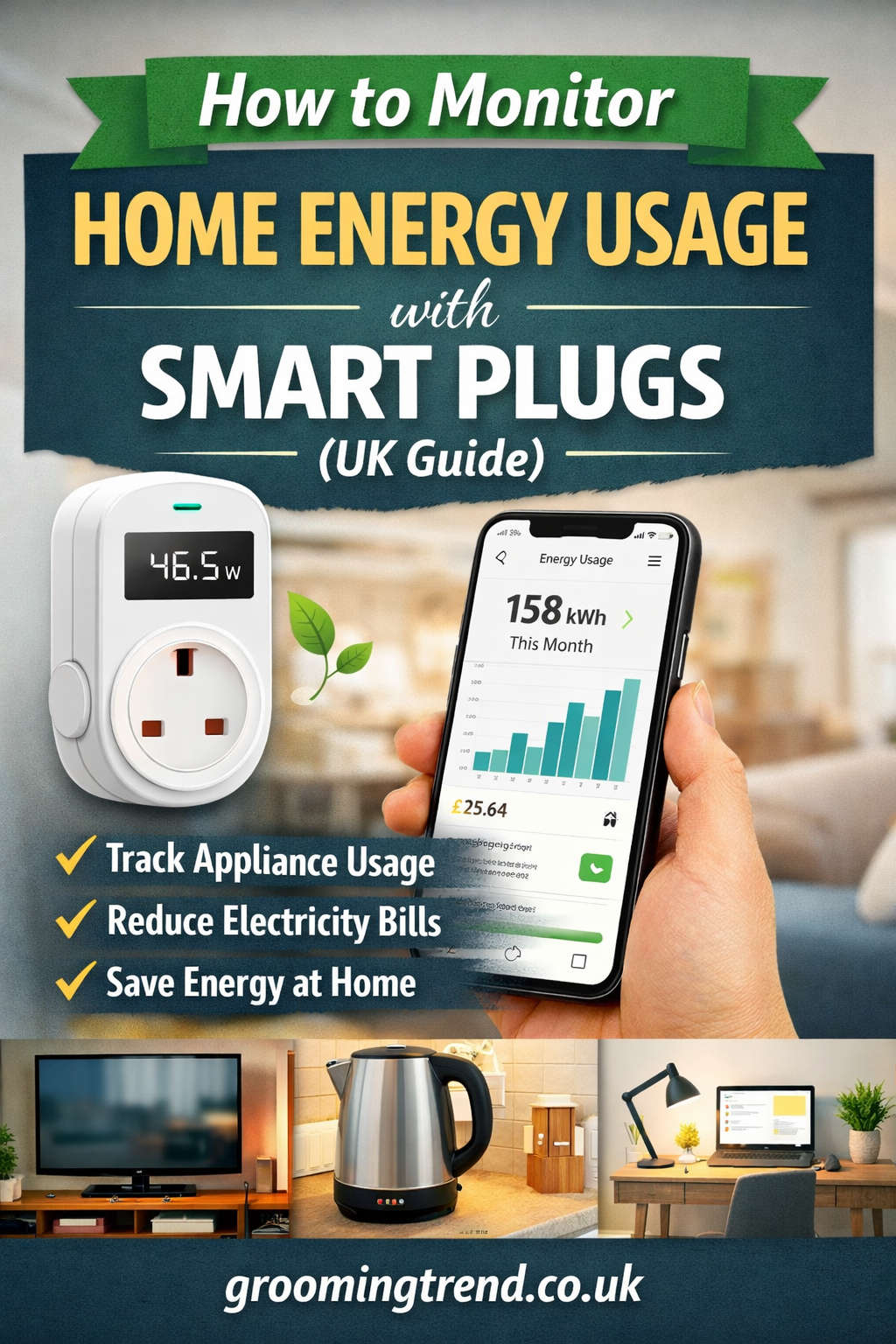
Energy efficiency is no longer just an environmental concern in the UK—it has become a financial necessity for many households. With electricity prices remaining unpredictable and energy awareness increasing, homeowners and renters alike are searching for practical ways to understand and control how much electricity they use.
One of the simplest yet most effective tools available today is the smart plug with energy monitoring. These small devices offer surprisingly powerful insights, allowing households to see exactly where electricity is being used, which appliances are costing the most, and how behaviour changes can lead to real savings.
This comprehensive guide explains how to monitor your home energy usage with smart plugs in the UK, from choosing the right devices and setting them up correctly to interpreting the data and turning insights into meaningful action.
Why Monitoring Energy Usage Matters for UK Homes
Many UK households rely solely on monthly or quarterly electricity bills to understand their energy consumption. Unfortunately, by the time those bills arrive, it is already too late to make changes for that period.
Smart plugs solve this problem by offering real-time and historical energy data at appliance level, giving you visibility that traditional meters simply cannot provide.
Key reasons energy monitoring is increasingly important in the UK include:
Rising Household Energy Costs
Even with energy caps in place, electricity remains one of the most expensive household utilities. Small inefficiencies—such as leaving devices on standby or running appliances at peak times—can quietly add hundreds of pounds per year to energy bills.
Increased Use of Electrical Devices
Modern homes rely heavily on electronics: streaming devices, smart TVs, routers, gaming consoles, chargers, kitchen appliances, and home office equipment. Individually, many appear harmless, but together they create constant background energy consumption.
Sustainability and Carbon Reduction Goals
Reducing electricity usage directly reduces carbon emissions. Monitoring energy use helps households make more responsible choices without sacrificing comfort or convenience.
Better Financial Planning
When you understand which devices cost the most to run, you can prioritise upgrades, change usage habits, and make informed purchasing decisions in the future.
What Are Smart Plugs and How Do They Work?
A smart plug is a compact device that fits into a standard UK three-pin socket. You then plug an appliance into the smart plug instead of directly into the wall.
What makes smart plugs different from standard adapters is their ability to:
- Measure electricity consumption
- Communicate with a smartphone app
- Allow remote control and automation
- Track historical energy usage over time
How Energy Monitoring Smart Plugs Measure Usage
Smart plugs with monitoring features contain internal sensors that measure:
- Electrical current flowing through the plug
- Voltage supplied to the appliance
- Power draw at any given moment
Using this data, the smart plug calculates:
- Instant power usage (watts)
- Total energy consumption (kilowatt-hours)
- Estimated cost based on your tariff
This information is sent to an app, where it is displayed in clear charts and summaries.
Types of Smart Plugs Available in the UK
Not all smart plugs offer energy monitoring, so understanding the different types is essential.
Basic Smart Plugs (No Energy Monitoring)
These plugs allow you to turn appliances on and off remotely or via schedules, but they do not measure electricity usage. They are useful for automation but not for energy tracking.
Energy Monitoring Smart Plugs
These include built-in power sensors and provide detailed usage data. For anyone serious about reducing electricity consumption, this is the type to choose.
Hub-Based vs Wi-Fi Smart Plugs
- Wi-Fi smart plugs connect directly to your home network and are easy to install.
- Hub-based plugs connect through a central hub and are often more stable in larger smart home setups.
Both types are widely available in the UK, but Wi-Fi plugs are generally easier for beginners.
Choosing the Right Smart Plugs for UK Energy Monitoring
Selecting the right smart plug is critical to getting reliable data and long-term value.
UK Socket Compatibility and Safety
Always ensure the plug is designed specifically for UK BS 1363 sockets and carries UKCA or CE safety certification. Avoid imported models designed for other regions.
Energy Monitoring Accuracy
Look for plugs that clearly state they measure energy usage in kilowatt-hours, not just real-time watts. Historical data tracking is essential for identifying trends.
App Quality and Data Presentation
A good app should provide:
- Clear daily, weekly, and monthly summaries
- Graphs showing usage patterns
- The ability to reset or compare usage periods
- Cost estimates based on your electricity tariff
Smart Home Integration
Compatibility with platforms such as Amazon Alexa, Google Home, or Apple HomeKit improves usability and automation options.
Maximum Load Capacity
Most UK smart plugs support up to 13 amps, but always confirm this before connecting higher-load appliances.
Appliances That Benefit Most from Smart Plug Monitoring
Smart plugs are best suited to appliances that:
- Plug directly into a socket
- Have consistent or measurable usage patterns
- Are often left on standby
Common examples include:
Living Room Electronics
- Televisions
- Set-top boxes
- Sound systems
- Gaming consoles
These devices often draw power even when not actively used.
Home Office Equipment
- Desktop computers
- Monitors
- Printers
- Network equipment
Remote workers often underestimate how much electricity home offices consume.
Kitchen Appliances
- Dishwashers
- Coffee machines
- Microwaves
- Kettles (monitoring only, not frequent switching)
Utility and Comfort Devices
- Dehumidifiers
- Portable heaters
- Fans
- Electric blankets
Monitoring these appliances can quickly reveal high energy users.
Step-by-Step Guide to Setting Up Smart Plugs for Energy Monitoring
Setting up smart plugs is straightforward, even for those new to smart home technology.
Step 1: Prepare Your Wi-Fi Network
Most smart plugs operate on 2.4 GHz Wi-Fi. Ensure your router supports this and provides stable coverage in the rooms where plugs will be used.
Step 2: Install the Smart Plug App
Download the manufacturer’s app on your smartphone or tablet and create an account if required.
Step 3: Plug in and Pair
Insert the smart plug into a wall socket and follow the app’s pairing instructions. This typically involves connecting to your Wi-Fi network.
Step 4: Connect the Appliance
Plug the chosen appliance into the smart plug and switch it on.
Step 5: Enable Energy Monitoring
In the app, confirm that energy tracking is active. Some apps require you to manually enable monitoring or calibration.
Step 6: Enter Electricity Tariff Details
Input your electricity cost per kWh. This allows the app to calculate real-world running costs, which is crucial for meaningful insights.
Step 7: Name and Organise Devices
Assign clear names such as “Living Room TV” or “Office Computer” to avoid confusion as you add more plugs.
Understanding Smart Plug Energy Data
Once your smart plugs are running, they begin collecting valuable data. Understanding this information is where the real benefits begin.
Instant Power Usage
Measured in watts, this shows how much electricity a device is using at any given moment. Sudden spikes often indicate inefficient behaviour.
Total Energy Consumption
Measured in kilowatt-hours, this reflects how much energy an appliance uses over time. This is the figure that directly affects your electricity bill.
Usage Patterns
By reviewing daily and weekly trends, you can identify:
- Appliances that consume power even when “off”
- Devices used more often than expected
- Times of day when usage peaks
Identifying and Reducing Standby Power Waste
One of the most common discoveries made through smart plug monitoring is standby power consumption.
Many devices never fully switch off and continue drawing small amounts of electricity 24/7. While each device may only consume a little, the combined effect across a household can be significant.
Smart plugs allow you to:
- Measure standby usage accurately
- Automatically turn devices off when not needed
- Eliminate unnecessary background consumption
Over a year, reducing standby power alone can lead to noticeable savings.
Using Smart Plugs with UK Electricity Tariffs
Energy monitoring becomes even more powerful when combined with UK tariff structures.
Flat Rate Tariffs
If you pay the same rate all day, smart plugs help you reduce overall consumption by identifying waste and inefficiency.
Economy 7 and Time-of-Use Tariffs
For households on off-peak tariffs, smart plugs can be scheduled to run appliances during cheaper periods. Examples include:
- Charging devices overnight
- Running dishwashers during off-peak hours
- Heating specific rooms at optimal times
This strategic scheduling can significantly reduce costs without changing comfort levels.
Automation and Smart Home Integration
Smart plugs are not just monitoring tools—they are also automation devices.
Scheduling
Create schedules to automatically turn devices on or off at specific times. This ensures appliances are never left running unnecessarily.
Voice Control
Using voice assistants, you can quickly control appliances or check their status without opening an app.
Energy-Based Automation
Some advanced setups allow rules such as:
- Turning off a device if usage exceeds a set threshold
- Switching off equipment after a certain period of inactivity
These automations reduce both waste and manual effort.
Real-Life Benefits of Energy Monitoring with Smart Plugs
UK households using smart plugs commonly report:
- Greater awareness of energy habits
- Reduced electricity bills
- Improved appliance usage discipline
- Justification for replacing inefficient devices
For example, discovering that an old appliance consumes far more energy than expected often makes upgrading financially sensible rather than optional.
Limitations of Smart Plug Energy Monitoring
While smart plugs are highly effective, it is important to understand their limitations.
They Do Not Monitor Hardwired Appliances
Built-in ovens, electric showers, and fixed heating systems cannot be monitored with plug-based devices.
They Provide Appliance-Level, Not Whole-Home Data
Smart plugs complement, but do not replace, whole-home energy monitoring systems or smart meters.
Accuracy Is Practical, Not Laboratory-Grade
For household decision-making, accuracy is more than sufficient, but readings may differ slightly from utility meters.
Safety Considerations When Using Smart Plugs
Always follow basic safety guidelines:
- Do not exceed the plug’s rated load
- Avoid using uncertified or poorly reviewed devices
- Ensure plugs are well ventilated and not covered
- Keep firmware updated for security and stability
Smart plugs are safe when used correctly and approved for UK standards.
Cost vs Long-Term Value
Although smart plugs require an upfront investment, their value lies in:
- Ongoing energy savings
- Improved energy awareness
- Better control over household consumption
- Reduced environmental impact
Many households recover the cost of smart plugs within the first year through reduced electricity bills alone.
The Future of Smart Energy Monitoring in UK Homes
Smart plugs are just one part of a growing ecosystem of intelligent energy tools. As the UK continues expanding smart meter adoption and dynamic tariffs, device-level monitoring will become increasingly important.
Future developments are likely to include:
- Smarter automation based on real-time pricing
- Improved analytics and recommendations
- Greater integration with renewable energy systems
Households that adopt energy monitoring now will be well positioned to benefit from these advancements.
Final Thoughts
Monitoring your home energy usage with smart plugs is one of the most accessible and effective steps UK households can take toward lower bills and more sustainable living.
By providing clear, appliance-level insights, smart plugs turn energy consumption from an invisible cost into actionable information. With the right setup, thoughtful interpretation, and simple automation, they empower households to take control of electricity usage without sacrificing comfort.
Whether your goal is saving money, reducing waste, or understanding your home better, smart plugs offer a practical, scalable solution that fits modern UK living.
You might also like,
Best HomeKit Smart Plugs in the UK (2026): Top Apple-Compatible Smart Plugs Reviewed