Let me guess—you’ve probably stood in the shower wondering if you’re washing your hair too much or not enough. Maybe your roots look oily by lunchtime, or perhaps your ends feel like straw. Trust me, you’re not alone in this struggle.
After years of trial and error (and way too many bad hair days), I’ve learned that figuring out the perfect hair washing schedule is less about following rigid rules and more about understanding what YOUR hair actually needs. So let’s dive into everything you need to know about hair washing frequency—no fluff, just practical advice that actually works.
Why Your Hair Washing Schedule Matters More Than You Think
Here’s something most people don’t realize: washing your hair too often can be just as problematic as not washing it enough. I know, it sounds counterintuitive, right?
Your scalp naturally produces sebum—that oily substance everyone loves to hate. But here’s the plot twist: sebum isn’t your enemy. It’s actually nature’s conditioning treatment, designed to protect your scalp, keep your hair moisturized, and give it that healthy shine we all want.
When you wash too frequently, you strip away these natural oils. Your scalp panics and goes into overdrive, producing even MORE oil to compensate. It’s a vicious cycle that leaves you feeling like you need to wash every single day just to look presentable.
On the flip side, washing too infrequently lets dirt, dead skin cells, and product buildup accumulate on your scalp. This can lead to clogged pores, inflammation, and that not-so-fresh feeling nobody wants to experience.
The sweet spot? That’s what we’re here to find out.
Your Hair Type Is Your North Star
If there’s one thing that determines your washing schedule more than anything else, it’s your hair type. Let me break down what works for different textures.
Fine or Thin Hair: The Daily (or Almost Daily) Wash
Got fine hair? You’ve probably noticed it gets greasy faster than you can say “dry shampoo.” That’s because sebum travels down thin hair strands like lightning, and there’s less hair to absorb it.
Your washing schedule: Every day or every other day
What works: Lightweight, volumizing shampoos that won’t weigh hair down. Look for formulas with ingredients like biotin or rice protein. Skip heavy conditioners or only apply them to your ends.
Pro tip: If daily washing feels like too much, try rinsing with just water on alternate days. Your hair gets refreshed without the full strip-and-cleanse cycle.
Straight to Wavy Hair: The Goldilocks Zone
If you’ve got straight or wavy hair with medium thickness, congratulations—you’ve hit the hair washing jackpot. You’ve got the most flexibility here.
Your washing schedule: Every 2-3 days
What works: Balanced shampoos that cleanse without over-drying. Sulfate-free options work great here, especially if your hair is color-treated.
Pro tip: This is the perfect hair type for experimenting with different washing schedules. Pay attention to how your hair responds and adjust accordingly.
Curly Hair: Less Is Definitely More
Curly friends, I see you! Those gorgeous spirals and ringlets come with their own set of rules. The twists and turns in curly hair make it nearly impossible for scalp oils to reach your ends, which means your roots might feel oily while your ends are crying out for moisture.
Your washing schedule: Every 3-7 days
What works: Sulfate-free, moisturizing shampoos or co-washing (cleansing with conditioner). Look for products with ingredients like shea butter, coconut oil, or argan oil.
Pro tip: Focus on scalp cleansing rather than scrubbing your curls. Let the water and product rinse through your hair without excessive manipulation to prevent frizz.
Coily or Kinky Hair: Embrace the Extended Wash Day
If you’ve got coily or kinky hair (Type 4 curls), you can go the longest between washes. Your hair structure makes it challenging for any natural oils to travel down the hair shaft, which is why moisture retention is your biggest priority.
Your washing schedule: Every 7-10 days (or even longer)
What works: Ultra-moisturizing, cream-based cleansers. Many people with this hair type swear by co-washing or using cleansing conditioners as their primary cleansing method.
Pro tip: Consider the LOC method (Liquid, Oil, Cream) after washing to lock in maximum moisture. Your hair will thank you.
Thick or Coarse Hair: The Low-Maintenance Dream
Thick, coarse hair—regardless of texture—holds up well between washes. The robust hair shaft doesn’t show oil quickly, and you’ve got plenty of hair to absorb your scalp’s natural oils.
Your washing schedule: Every 3-5 days
What works: Rich, nourishing shampoos that can penetrate the hair shaft. You might need more product than others, and that’s perfectly normal.
Pro tip: When you do wash, take your time. Thick hair needs thorough rinsing to avoid product buildup that can make it look dull.
Beyond Hair Type: Other Factors That Matter
Your hair type tells half the story. Let’s talk about the lifestyle factors that influence how often you should reach for that shampoo bottle.
How Active Are You?
I get it—after an intense workout, your hair feels gross. But before you jump straight into the shower with shampoo, consider this: you don’t always need a full wash after exercise.
Light exercise: Just rinse with water and focus on your scalp. This removes sweat without stripping oils.
Intense workouts: If you’re dripping sweat, use a gentle cleansing conditioner or diluted shampoo. Save the deep cleanse for every few washes.
Daily gym-goers: Invest in a good dry shampoo or cleansing foam for between-wash refreshes. Your hair needs a break from daily shampooing, even if you’re sweating.
Where You Live Makes a Difference
Your environment plays a sneaky but significant role in your hair’s oil production and overall health.
Hot and humid climates: You’ll probably need to wash more frequently. Humidity makes you sweat more, and that combination of sweat and sebum can leave hair looking limp.
Cold and dry climates: You can likely stretch time between washes. However, indoor heating can dry out your hair, so focus on moisturizing products when you do wash.
Polluted cities: If you’re breathing in smog and pollution daily, your hair is too. More frequent washing (every 2-3 days) helps remove environmental buildup.
Hard water areas: Mineral buildup from hard water can make your hair feel gunky even when it’s clean. Use a clarifying shampoo weekly or consider installing a shower filter.
Your Styling Product Lineup
Be honest—how many products do you use daily? Each gel, mousse, hairspray, and serum adds another layer that needs to be washed out eventually.
Minimal styling: If you’re a wash-and-go person, you can stretch your washing schedule longer.
Heavy product users: Plan on washing at least twice a week to prevent buildup. Look for clarifying shampoos to use monthly for a deep reset.
Dry shampoo lovers: Here’s a hard truth—dry shampoo is amazing, but it’s not a substitute for actual washing. Use it to extend between washes, but don’t let it become a crutch. Too much buildup can clog your scalp and cause issues.
Life Stage Matters Too
Your hair’s needs change as you move through different life phases.
Teens and early 20s: Thanks, hormones! Increased oil production during these years often means washing every day or every other day.
30s and 40s: Oil production starts calming down for most people. You might find you can go longer between washes during this decade.
50s and beyond: Decreased hormone levels typically mean less oil production. Many people in this age group can wash just once or twice a week and benefit from more moisturizing products.
Pregnancy and postpartum: Hormonal fluctuations can make your hair behave unpredictably. Be flexible and adjust your routine as needed.
Red Flags You’re Washing Too Much
Your hair will tell you when you’re overdoing it. Watch for these warning signs:
- Your hair feels like straw or breaks easily
- Your scalp feels tight, itchy, or irritated after washing
- You notice your hair getting greasier FASTER (counterintuitive, but true—over-washing triggers oil overproduction)
- Color-treated hair fades within weeks instead of months
- Excessive frizz and flyaways, especially if you didn’t have this issue before
- Your ends look split and damaged despite regular trims
If you’re checking multiple boxes here, try adding an extra day between washes and see what happens.
Red Flags You’re Not Washing Enough
On the opposite end of the spectrum, under-washing has its own set of issues:
- Visible greasiness, especially concentrated at your roots
- Your hair feels heavy and won’t hold any style
- Persistent itching or discomfort on your scalp
- Flaking that could be mistaken for dandruff (but is actually buildup)
- A noticeable odor, even to you
- Breakouts along your hairline, temples, or upper back
- Your hair looks dull no matter how much you style it
If this sounds like you, it’s time to increase your washing frequency or switch to a more effective cleansing method.
The Art of Transitioning Your Washing Schedule
Want to train your hair to need less frequent washing? It’s possible, but you need patience.
Here’s what worked for me: I was washing daily and wanted to stretch to every three days. Instead of going cold turkey, I added just one extra day between washes every week. Yes, there were awkward days when my hair didn’t look its best. But after about a month, my scalp adjusted, and now I rarely wash more than twice a week.
Your transition game plan:
- Week 1-2: Add one extra day to your current schedule
- Week 3-4: If your hair adjusts well, add another day
- Week 5+: Continue adjusting until you find your sweet spot
Surviving the transition: Dry shampoo becomes your best friend here. Apply it to roots before bed so it can absorb oil overnight—this trick changed my life. Also invest in some cute hats and headbands for those learning-curve days.
How to Wash Your Hair the Right Way
Technique matters just as much as frequency. Here’s the method that works:
Step 1: Prep with water – Thoroughly wet your hair with lukewarm (not hot!) water. This opens the cuticle gently and lets your shampoo work more effectively.
Step 2: Apply shampoo to scalp only – Focus your shampoo where the oil actually is—your scalp and roots. Use your fingertips (not nails!) to massage in circular motions for at least 60 seconds.
Step 3: Let it rinse through – As you rinse, the shampoo running through your hair will cleanse the lengths. You don’t need to scrub the ends—this causes unnecessary damage.
Step 4: Condition wisely – Apply conditioner from mid-shaft to ends, avoiding your roots unless your hair is extremely dry. Let it sit for 2-3 minutes.
Step 5: Cool rinse – Finish with cooler water to seal the cuticle and boost shine.
Step 6: Gentle drying – Squeeze (don’t rub!) excess water out with a microfiber towel or soft cotton t-shirt. Traditional towels can cause frizz and breakage.
Product Recommendations for Different Hair Types
Let me share some product categories that actually make a difference:
For fine/oily hair: Look for volumizing or balancing shampoos with lightweight formulas. Ingredients like tea tree oil, peppermint, or salicylic acid help control excess oil without harsh stripping.
For dry/curly hair: Seek out sulfate-free, moisturizing shampoos with ingredients like shea butter, coconut oil, honey, or glycerin. Co-wash products can replace traditional shampoo entirely for some curl patterns.
For color-treated hair: Always choose sulfate-free formulas labeled “color-safe.” These are gentler and help your color last longer between salon visits.
For dandruff or scalp issues: Products containing zinc pyrithione, ketoconazole, or coal tar can help, but use as directed—usually 2-3 times per week, not daily.
Dry shampoo: Choose one that matches your hair color (dark formulas for brunettes, clear for blondes). Natural options with ingredients like rice starch or cornstarch work beautifully without chemicals.
Clarifying shampoo: Use once a month to remove stubborn buildup. These are stronger than regular shampoos, so follow with a deep conditioning treatment.
Special Situations That Change the Rules
Swimming Regularly
Chlorine and salt water wreak havoc on hair. Rinse immediately after swimming, but you don’t need to shampoo every time. Use a swimmer’s shampoo (designed to remove chlorine) once or twice a week, and do simple water rinses after other swims.
Insider tip: Wet your hair with clean water before swimming. Hair is like a sponge—if it’s already saturated with regular water, it absorbs less pool or ocean water.
Dealing with Scalp Conditions
Conditions like psoriasis, eczema, or seborrheic dermatitis need special attention. Your dermatologist might recommend more frequent washing with medicated shampoos, or ironically, less frequent washing to avoid irritation. Don’t guess—get professional guidance for these situations.
After Chemical Treatments
Just got a perm, relaxer, or keratin treatment? Follow your stylist’s specific instructions. Usually, this means waiting 24-48 hours before your first wash, then washing less frequently to preserve the treatment.
During Hair Loss Phases
If you’re experiencing temporary hair shedding (postpartum, stress-related, or medical), you might be tempted to wash less frequently to avoid seeing hair in the drain. Don’t fall into this trap. That hair was already in the shedding phase—it’s coming out whether you wash or not. Gentle, regular cleansing actually promotes a healthy scalp environment for new growth.
Creating Your Personalized Hair Washing Schedule
Alright, let’s put this all together into YOUR perfect routine.
Start with your baseline: Identify your hair type and texture from the categories we discussed.
Factor in your lifestyle: Be realistic about your activity level, where you live, and how much you style your hair.
Choose your starting point: Based on your hair type, pick a washing frequency to try for 2-3 weeks.
Observe and adjust: Keep a mental (or actual) note of how your hair looks and feels. Too greasy? Wash more often. Too dry? Stretch it out.
Be flexible: Your perfect schedule might change with seasons, stress levels, or life circumstances. That’s completely normal.
Listen to your hair: This sounds cliché, but your hair really will tell you what it needs. A little greasiness on day three might be fine if your hair looks healthy and shiny. Conversely, if your scalp feels uncomfortable, wash it—regardless of what day it is.
The Bottom Line: There’s No One-Size-Fits-All Answer
After all this information, here’s the truth: the “right” washing frequency is whatever works for YOUR unique combination of hair type, lifestyle, and preferences.
I wash my wavy, medium-thick hair every three days, and it works perfectly. My sister has fine, straight hair and needs to wash daily. My best friend with 4C curls washes weekly. We’re all doing it right—for our own hair.
The beauty of understanding these principles is that you’re no longer guessing or following arbitrary rules. You’re making informed decisions based on what you know about your hair and what you observe over time.
Start somewhere, pay attention, and adjust as needed. Your perfect hair washing schedule exists—you just need to experiment a little to find it.
And remember: even if you’re currently in that awkward transition phase where your hair isn’t cooperating, stick with it. Your scalp is adaptable. Give it time to adjust, and you’ll find your rhythm.
Now go forth and wash (or don’t wash) with confidence. Your best hair days are ahead of you.
Quick Reference Guide:
- Fine/straight hair: Every 1-2 days
- Medium/wavy hair: Every 2-3 days
- Curly hair: Every 3-7 days
- Coily/kinky hair: Every 7-10+ days
- Active lifestyle: Add water rinses between washes
- Heavy styling products: Wash at least twice weekly
- Color-treated hair: Use sulfate-free, extend washing when possible
Your hair journey is uniquely yours. Happy washing!
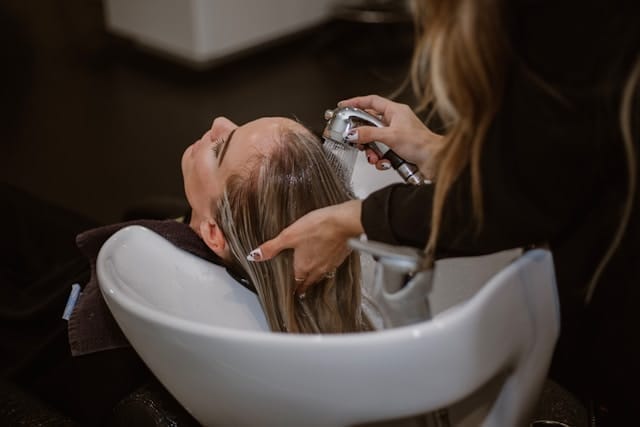
Featured Photo by Lindsay Cash on Unsplash