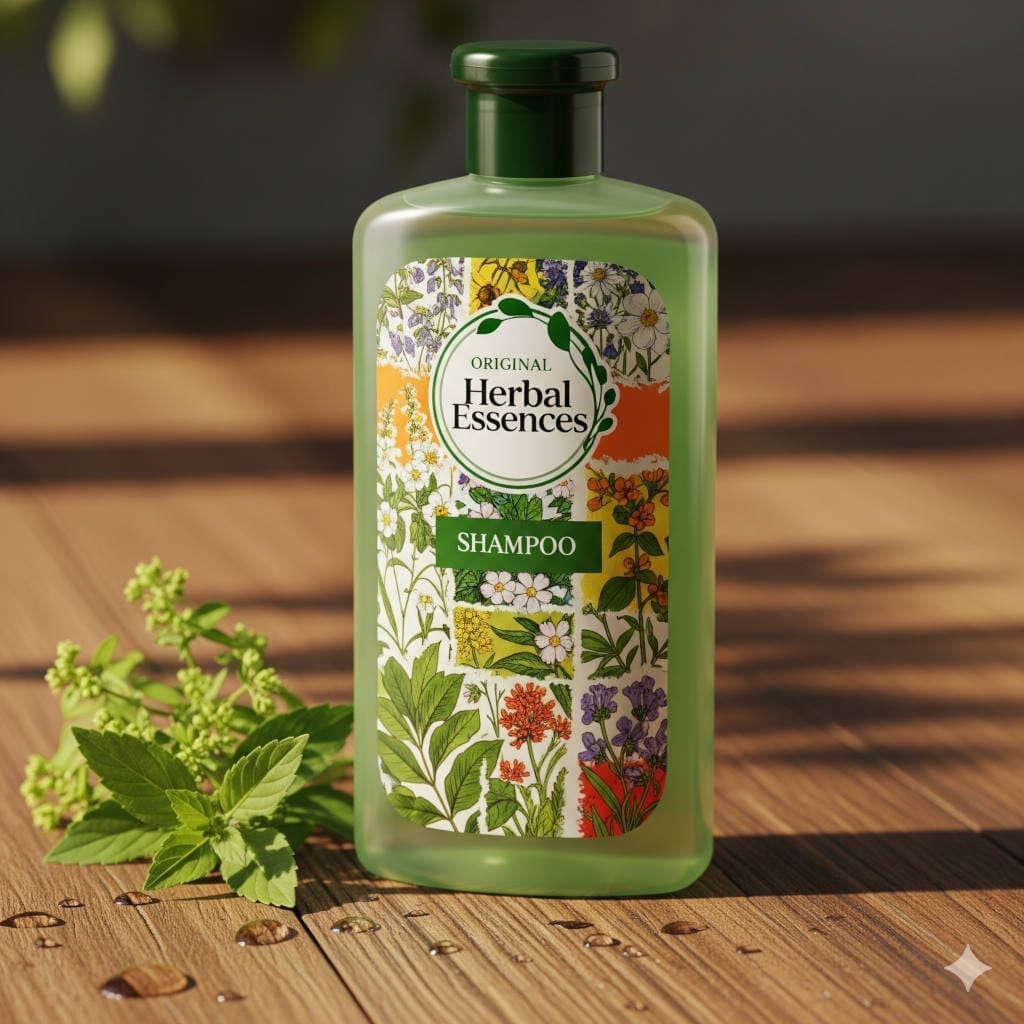
For many in the UK, Herbal Essences is more than just a shampoo—it is a part of childhood memories, college days, and moments of personal care linked to a distinct scent and formula. But over time, fans have noticed something different: the original Herbal Essences they once loved seems like a distant memory. What exactly happened to the original Herbal Essences? This guide walks UK readers through the brand’s fascinating history, the reasons behind the changes in formulation and branding, and how the product you buy today compares to the nostalgic original.
The Early Beginnings: The Birth of Iconic Herbal Essences
Herbal Essences first appeared in 1971, launched by Clairol. At a time when shampoos were typically basic and utilitarian, Herbal Essences stood out by embracing a botanical, natural approach that was ahead of its time. It was among the pioneers to promise a refreshing experience rooted in nature’s purity. The original formula was special—packaged in clear plastic bottles showcasing a pale green shampoo that hinted at herbal goodness.
The scent was an unforgettable blend of fresh-cut grass and wild herbs, evoking a unique sensory signature. It wasn’t just shampoo; it was a fragrant escape into nature that many British consumers fell deeply in love with. The visual identity, featuring a charming illustration of a nature girl in a flower-filled pool, reinforced this connection to the botanical world, making it a beloved product on UK shelves.
Growing Range and Rebranding: From Herbal Essence to Herbal Essences
The 1990s marked a turning point for the brand. No longer content with a single variation, the brand expanded its range to include a variety of shampoos and conditioners tailored to different hair types and beauty needs. Alongside this expansion came a subtle but important rebranding—the move from “Herbal Essence” (singular) to “Herbal Essences” (plural), signalling a broader, richer product line.
The company introduced vibrant, playful fragrances and ingredient blends that catered to evolving consumer tastes. Marketing efforts leaned into an image of fun, youthfulness, and natural beauty, helping Herbal Essences to capture a wider, younger audience. This shift strengthened its appeal in the UK market, carving out a niche between purely natural and conventional haircare offerings, balancing botanical charm with cosmetics science.
The Big Change: Procter & Gamble Takes Over
In 2001, Procter & Gamble (P&G), a global giant in personal care, acquired Herbal Essences. This was a pivotal moment that steered the brand into a new era. P&G’s expertise allowed for modernisation—introducing new product lines with cutting-edge formulations, broadening the appeal, and refreshing packaging to keep the brand relevant in a highly competitive market.
The focus shifted to appealing more sharply to the younger demographic, especially women aged 15 to 30. P&G enhanced the botanical narrative by adding scientifically backed ingredients while updating formulations to meet current health and environmental standards. These updates included creating sulfate-free, paraben-free options and a stronger commitment to sustainability.
For long-time users, however, these changes meant that the beloved original formula and scent would eventually phase out. While the new products still carried the Herbal Essences name and botanical inspiration, they offered a different sensory experience.
Why Does the Original Herbal Essences Smell and Feel Different Today?
Many devoted fans of the original Herbal Essences notice that the shampoo and conditioner on shelves today smell and feel different. This change is both intentional and unavoidable for several reasons. First, evolving ingredient regulations require companies to replace certain compounds, especially those concerning allergens or environmental impact. Secondly, P&G’s modern formulas aim for gentleness, suitability for sensitive scalps, and lower environmental harm—hence the shift to sulfate-free blends and more natural extracts.
Consequently, the fresh herbal scent that was once unique to the brand has given way to newer fragrance profiles—often sweeter or fruitier—that align with contemporary consumer preferences. The texture has also become softer and smoother, reflecting current haircare trends focused on nourishment and damage repair rather than the slightly thicker feel of older shampoos.
Embracing Nostalgia: The Lasting Love for the Original Herbal Essences
Nostalgia is a powerful force. For many UK consumers who grew up with the original Herbal Essences, the scent and identity of the product represent more than haircare—they evoke a sense of youth, freedom, and connection to nature. This is why discussions about the brand often bring heartfelt commentary about missing the original formula, with some even searching online forums and shops for products that mimic the old scent.
Beauty forums and social channels buzz with conversations from fans trying to locate shampoos with similar aromas or homemade blends trying to recreate the experience. The brand’s nostalgic appeal has even inspired indie creators to craft fragrances inspired by the classic Herbal Essences, showing just how deeply loved the original was.
Herbal Essences for the UK Market Today
Today’s Herbal Essences available in the UK still carry the botanical spirit but through a modern lens. The brand’s bio:renew range highlights a blend of botanical ingredients with scientific research aiming to deliver effective hair care while being gentle on the environment. These products resonate with consumers who care about sustainability, transparency, and health-conscious formulas.
The packaging has evolved to be more environmentally friendly, using recycled plastics and promoting recycling initiatives. P&G continues to innovate with new scent combinations and haircare technologies, keeping Herbal Essences fresh and competitive in the UK market.
While the original formula’s distinctive scent is no longer on the shelves, the company honours its heritage through nostalgic marketing campaigns that celebrate the brand’s origin story and botanical roots.
Summary: Understanding the Journey of Original Herbal Essences
- Herbal Essences began in 1971 as a fresh, botanically inspired shampoo that became iconic for its herbal scent and green colour.
- The brand expanded in the 1990s from a single shampoo to a wide range of haircare products, rebranding to “Herbal Essences.”
- Procter & Gamble acquired the brand in 2001, leading to reformulations, updated packaging, and a focus on modern consumer needs and sustainability.
- The formulas today are gentler, sulfate-free, and have different fragrance profiles, which has led to a significant shift from the original scent and feel.
- Nostalgia keeps the original Herbal Essences alive in the hearts of UK consumers, many of whom seek the classic experience.
- Today’s Herbal Essences in the UK market balances heritage with innovation, emphasizing natural ingredients, environmental responsibility, and hair health.
Final Thoughts: The Legacy of Herbal Essences in the UK
Herbal Essences has traveled a long way from its roots as a single, herbal shampoo to a major global haircare brand. While the original formula that made so many people fall in love with it might have changed, the essence of what the brand stands for—the power of botanicals for haircare—is very much alive. UK consumers looking for that nostalgic original experience might find it challenging to get the exact same product today, but the brand’s continued innovation means there’s always something new to try.
With the growing resurgence of natural and vintage-inspired products, there is always hope for a revival of the classic formulas in some form in the future. Until then, Herbal Essences continues to celebrate its heritage with every bottle, blending nature and science to keep hair care refreshing, vibrant, and ever-evolving.
Whether you’re revisiting an old favourite or discovering Herbal Essences for the first time, understanding its story enriches the experience and deepens appreciation for one of the most recognisable names in UK haircare history.
You might also like,
How to Style Hair to Match Summer Outfits: Complete UK Guide 2025